
 Best Online Casinos United States
  Pragmatic Play Casinos
  Amatic Casinos
  Play And Go Casinos
  Egt Casinos
  Igt Casinos
  Visa
Visa  Mastercard
  Apple Pay
  Google Pay
  Skrill
  My favorites
Online Casinos in Germany
 Online Casinos in Germany
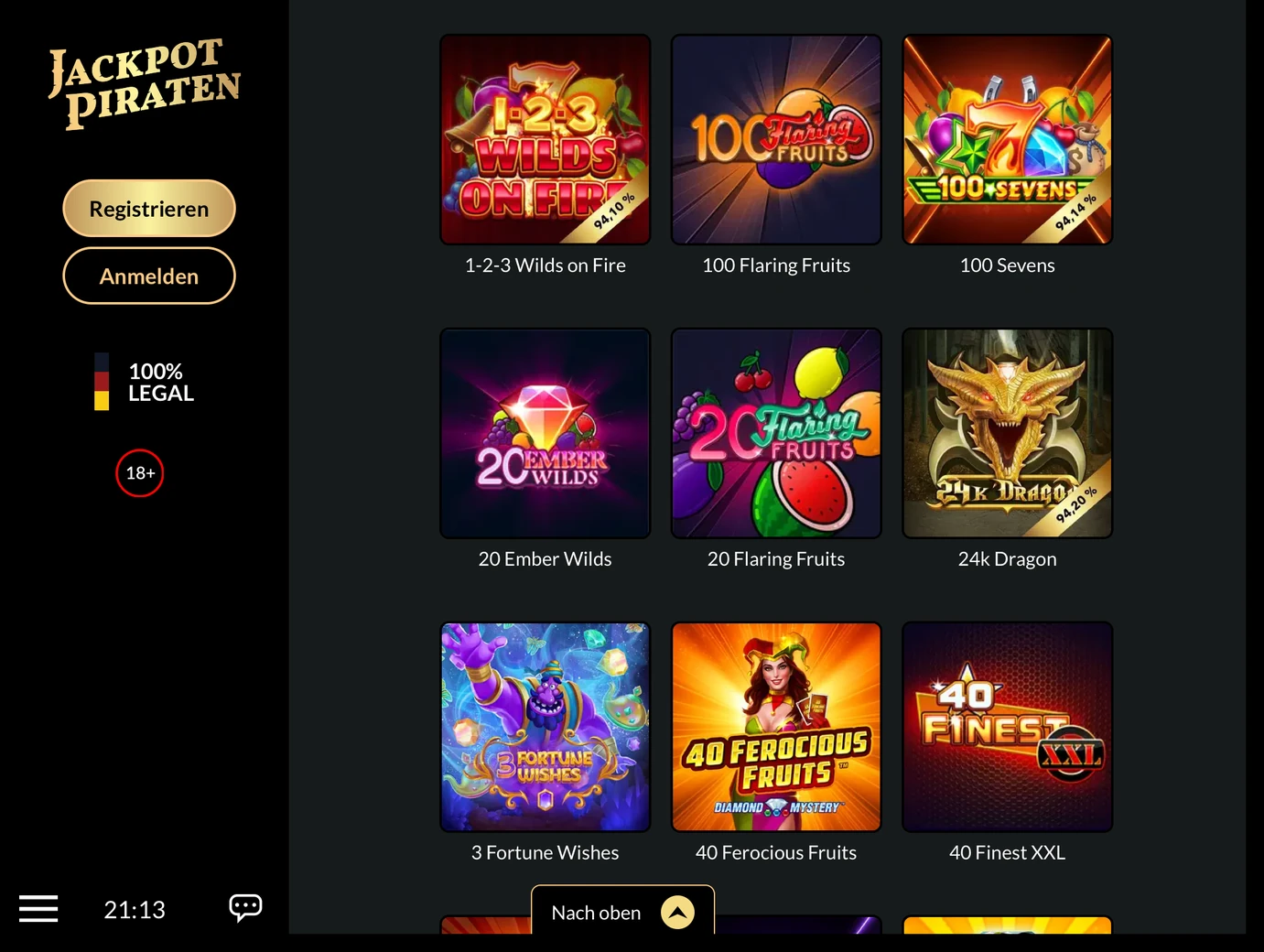
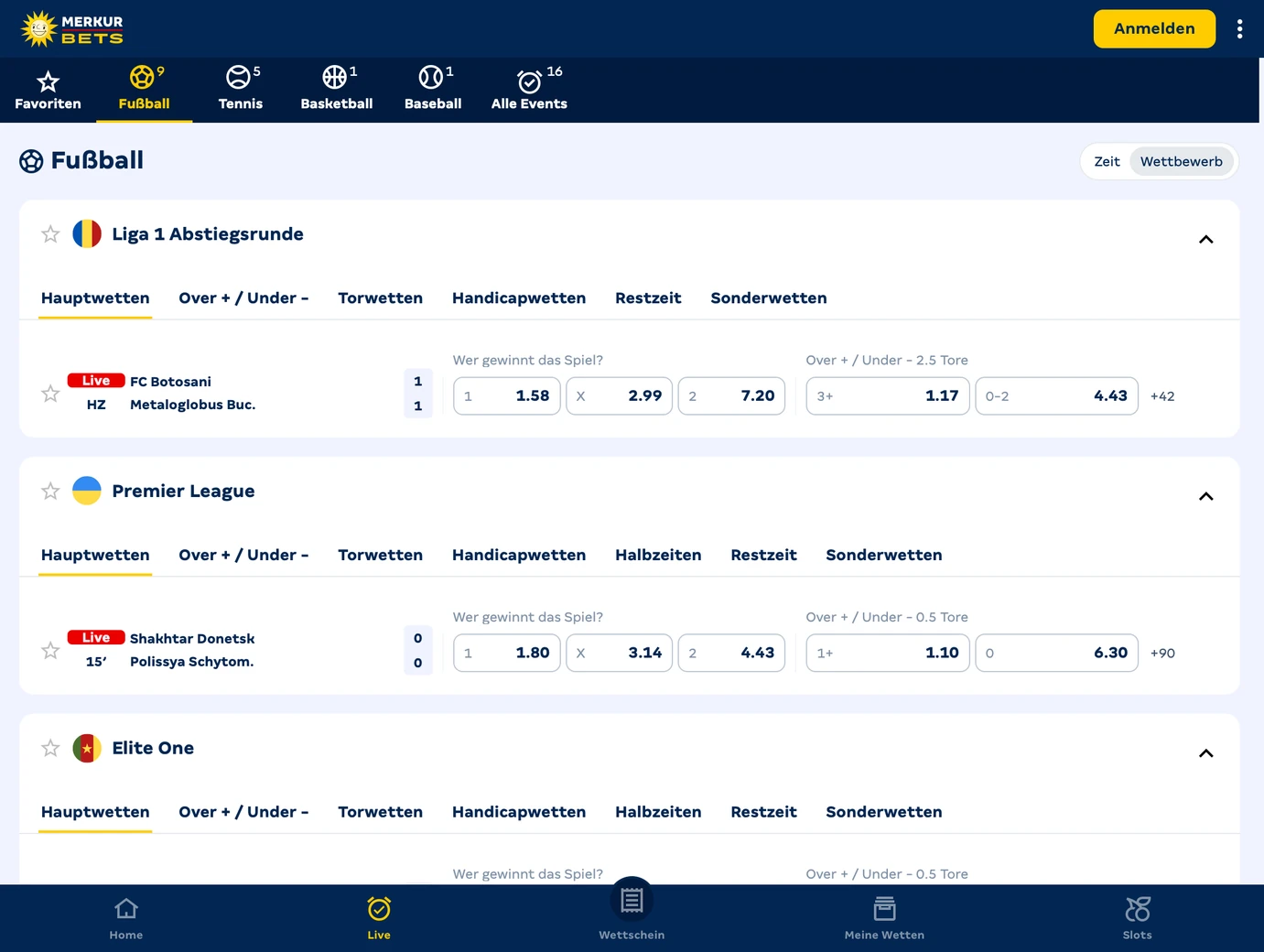
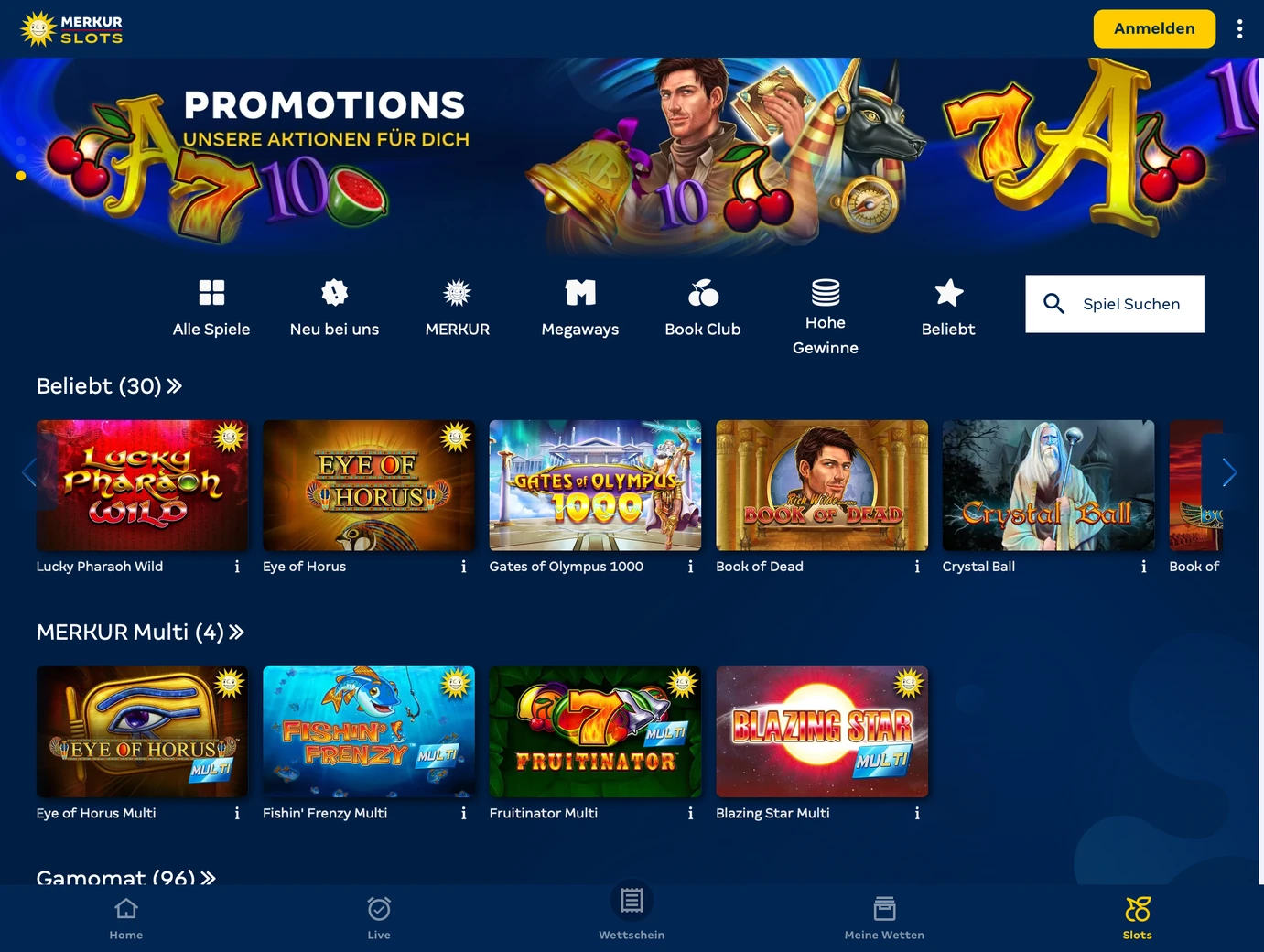
Top ranking online casinos in Germany, based on brand popularity, real traffic and game variety. On this page you will also find who licenses German online casinos, what standards they must meet, how to verify a license in seconds, and where to complain if something goes wrong.


 0
0





































-
 Glad that I found it! Very beneficial place, at least for me it has been beneficial, so far :) Stargames
 - I like to play here as it is easy to win, and I like winning! Stargames
-
 Such an awful bonus policy, they must be ashamed for implementing this! Just a warning for all newcomers that are craze enough… Stargames
 - I don’t like to talk much about my favorite places, especially casinos, but to pay some respects to Stargames casino I feel that… Stargames
- I deposited 160EU and won up to 2200EU. With every winning I had to wager more due to the Bonus. I could get rid of it only by… Stargames
License for online casinos from Germany
Germany’s modern framework came with the Interstate Treaty on Gambling 2021 (Glücksspielstaatsvertrag 2021, GlüStV 2021). For online casino games (banked table games such as roulette or blackjack), the power to allow and supervise rests with the federal states (Länder). A state can operate such games itself or grant a limited number of concessions; by law, the overall number may not exceed the number of land‑based casino licenses that existed on 17 January 2020. Concessions are time‑limited and can be withdrawn if conditions are breached, including territorial limits.
Day‑to‑day online market oversight, the joint Whitelist and the fight against illegal offers are handled by the Joint Gambling Authority of the Länder in Halle (Saale) — Gemeinsame Glücksspielbehörde der Länder (GGL). GGL enforces uniform rules across the country, publishes the Whitelist, monitors advertising, orders payment blocking and IP blocking against illegal sites, and leads research and market monitoring. For slots, online poker and sports/horse betting, GGL is also the licensing supervisor.
What operators must do is unusually specific in Germany. Players must have a personal account and be verified; under‑18s are strictly excluded. Sites must run on a .de domain, show the age warning and the licensing/supervisory authority on the start page, and link to the authority. Funds of players are trust monies held in segregated bank accounts, separate from the operator’s own funds and protected in insolvency. All money in and out must move through payment accounts in the player’s name at AML‑supervised institutions; anonymous remote payment methods are not allowed. That combination effectively excludes cryptocurrencies at licensed sites.
Fairness and integrity are audited: random number generators must be tested before go‑live and at least annually by an independent expert, with results submitted to the authority. Operators must run a “safe‑server” data system that allows continuous supervisory access, and they must maintain robust IT security with yearly independent audits.
Responsible play and safety are the centerpiece. Germany introduced a cross‑operator monthly deposit cap: by default you cannot deposit more than €1,000 across all licensed online operators in a calendar month. Changes to your personal cap take effect after a 7‑day cooling‑off period when increasing and immediately when decreasing. In strictly controlled individual cases, regulators allow higher caps (up to €10,000, and in the €10,000–€30,000 range for at most 1% of an operator’s active players) — but only after verifiable affordability checks and enhanced monitoring, and only where there are no signs of harm.
There is a nationwide exclusion register (OASIS). You can self‑exclude for at least three months; exclusion by third parties or by the operator is mandatory when there are clear signs of harm. A permanent “panic button” on every game page must instantly trigger a 24‑hour short block. Germany also bans simultaneous online play with several operators: a central activity file prevents parallel sessions and forces periodic time prompts during play.
Advertising is allowed for licensed offers but tightly constrained in channel, tone and timing. Among other limits, online/radio ads for online casino, online poker and virtual slots are banned daily from 06:00 to 21:00. Personalised outreach to excluded players is forbidden. GGL can issue public warnings and sanctions for breaches; the current list of public warnings is maintained on its site.
Limits and taxes
Players face a cross‑operator monthly deposit ceiling that, by default, must not exceed €1,000. You can set stricter personal limits at any time; reductions apply immediately, increases only after seven days. Identity checks, one account per operator, the 24‑hour “panic” block, the OASIS exclusion system, and the no‑parallel‑play rule together form the core of Germany’s harm‑prevention toolkit. The materials provided for this page do not include player tax guidance; if you need tax advice on winnings, consult a qualified advisor.
How to verify a German license
Start on the casino’s own site. Licensed German operators must use a .de domain and show, on the start page, an 18+ warning and a clear statement of the license and supervising authority with a direct link. Scroll to the footer and the legal pages; the authority’s name should be explicit. For table‑game “online casinos”, expect a state concession notice (e.g., Bavaria or Schleswig‑Holstein). For virtual slots or online poker, expect GGL supervision.
Then check the official Whitelist run by GGL: Whitelist (GGL). Use the category filters (e.g., “Online‑casino”, “virtuelle Automatenspiele”, “Online‑Poker”) or search the brand/domain. The Whitelist entry shows the game types, supervising authority, territory, and dates of the initial and subsequent permissions. If a brand is missing, or uses a non‑.de domain for German players, it is not licensed in Germany.
How to file a complaint about a German‑licensed site
First contact the casino’s customer support and give them a fair chance to fix the issue. Keep dates, screenshots and any email/chat logs — you will need specifics to escalate.
If the problem persists, report it to the authority. For online offers, GGL provides an online reporting portal where you can submit cases about violations by licensed operators, illegal offers, or problematic advertising: GGL complaint/reporting portal. Choose the relevant category (including “Online‑casino”), describe who/what/when/where, and attach evidence. GGL uses these reports to supervise and, where necessary, to take measures (warnings, fines, suspension or withdrawal of permissions, payment/IP blocking for illegal sites). It does not enforce private civil claims (for example, it will not order a payout in your individual case).
Note that state authorities license and supervise online casino table games, while GGL oversees slots, poker, sports and horse betting nationwide and coordinates enforcement against illegal gambling and advertising. For the nationwide exclusion register OASIS (self‑exclusion), the responsible body is Regierungspräsidium Darmstadt. If your case concerns OASIS entries, contact that office directly.


