
 Best Online Casinos United States
  Pragmatic Play Casinos
  Amatic Casinos
  Play And Go Casinos
  Egt Casinos
  Igt Casinos
  Visa
Visa  Mastercard
  Apple Pay
  Google Pay
  Skrill
  My favorites
Online Casinos in United Kingdom
 Online Casinos in United Kingdom
Top ranking of online casinos in the United Kingdom, based on brand popularity, real‑world traffic and game variety. Below you will also find how licensing works, how to verify that a site is lawful, what protections your money has, what limits apply to online slots, and what to do if something goes wrong.


 1
1
































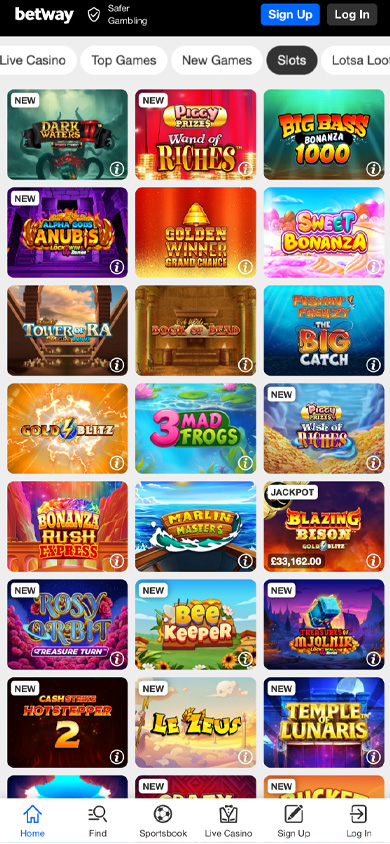
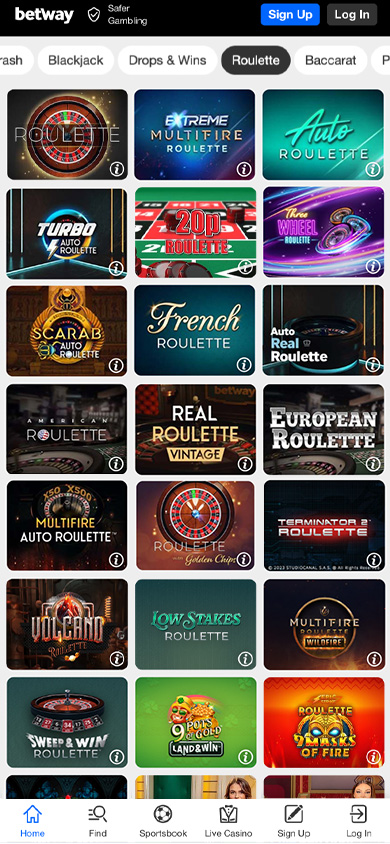
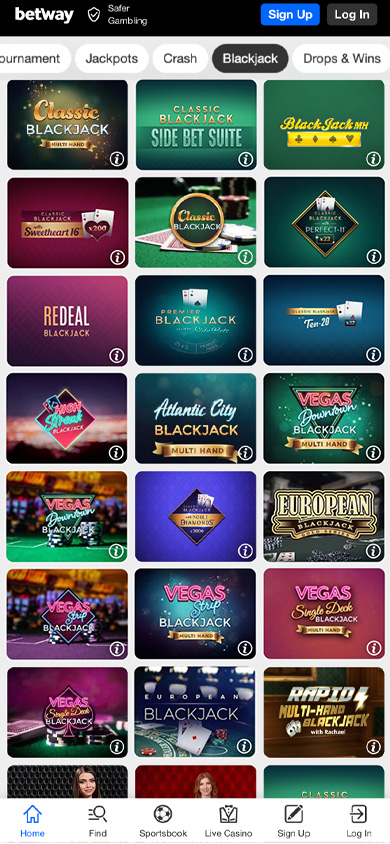
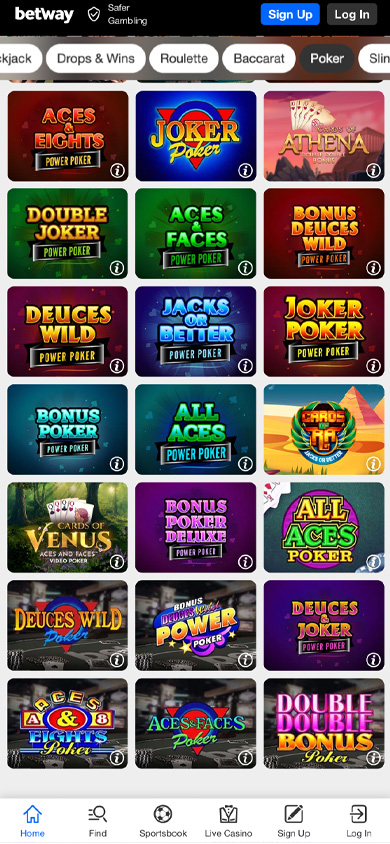













































-
 This casino is the worst possible! With the lowest RTP! I don't recommend playing! I recommend recording a video and posting it… BoyleSports
 -
 Отзыв (Review) для Ladbrokes English:
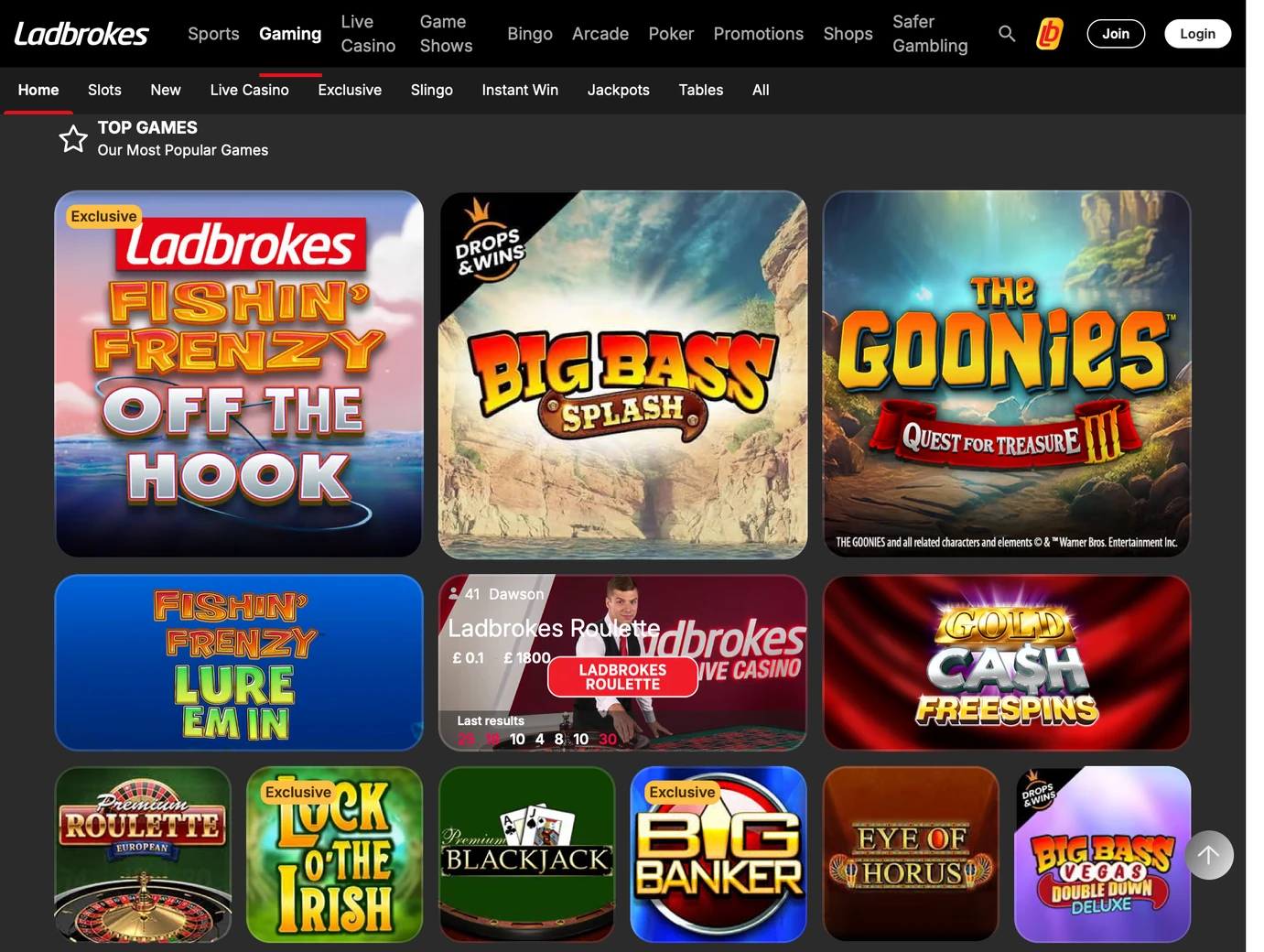
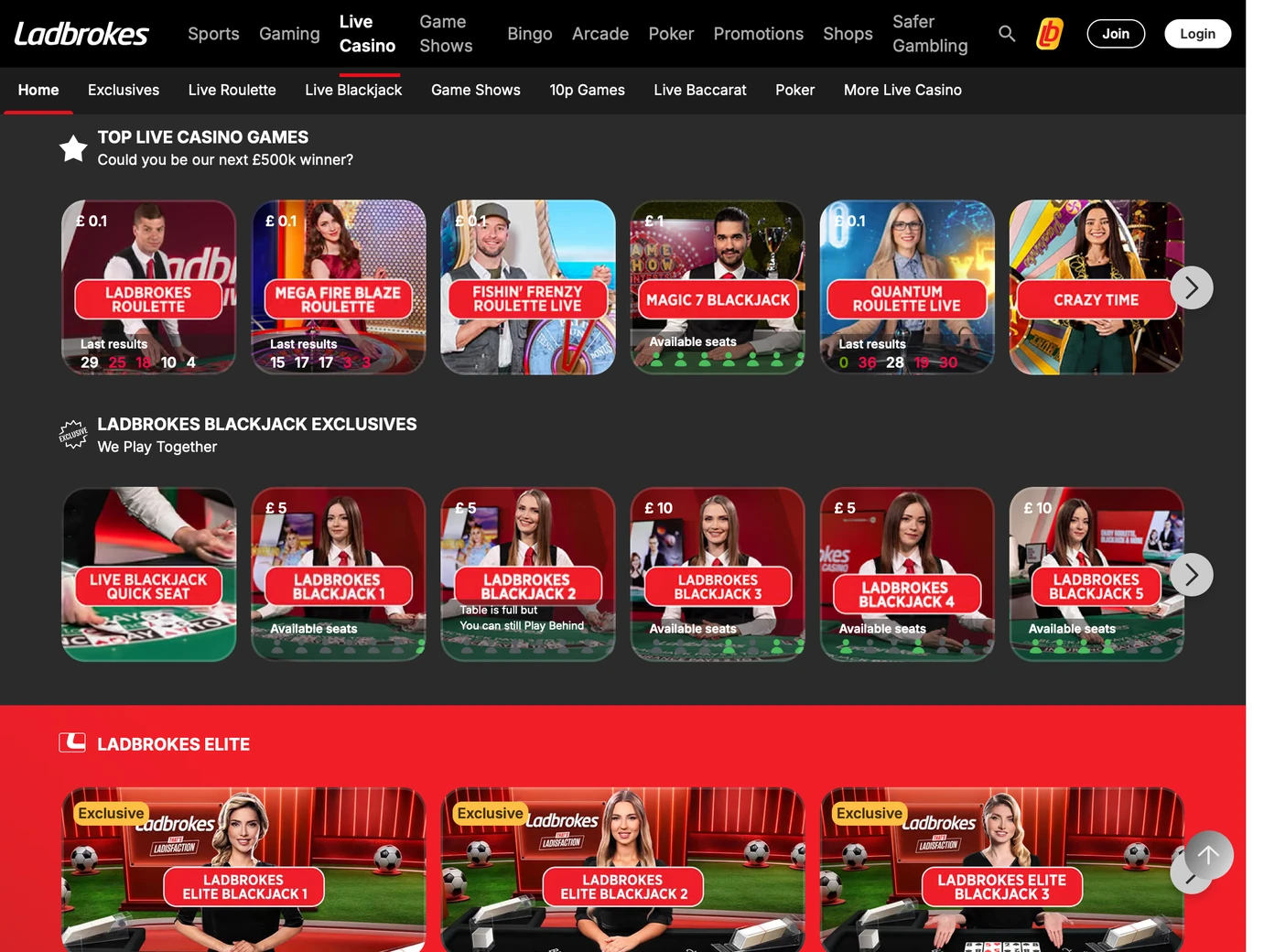
The registration process was smooth and straightforward. I managed to set up my account… Ladbrokes
Отзыв (Review) для Ladbrokes English:
The registration process was smooth and straightforward. I managed to set up my account… Ladbrokes - The casino has a modern look and a good variety of games. It’s easy to get started, and gameplay is generally smooth. Ladbrokes
- This company is running the biggest scam ever. Happy to take your money but be warned they do not pay out your winnings. I have… Foxy Bingo
- I have €10 credited to my 666gambit account, but I don't know which one because there are several sites with that name. Please… 666 Casino
UK online casino licence: how it works and what it means for players
Online casinos that serve players in Great Britain must be licensed and regulated by the Gambling Commission. The Commission, created under the Gambling Act 2005, licenses operators and key individuals, supervises compliance, issues guidance to players and businesses, and enforces the rules. It also regulates the National Lottery and maintains a searchable public register of licence holders with their permissions, status and any regulatory actions.
The licence aims to keep gambling fair, safe and crime‑free. For your money, operators must tell you—plainly in their terms—whether and how your funds are protected if the business fails. The Commission’s guidance sets out three levels: no protection (your balance is at risk on insolvency), medium protection (for example via insurance, but not guaranteed), and high protection (segregated client accounts held on trust with independent oversight). You should be able to find the stated level in the site’s terms and conditions.
Game fairness and integrity are governed by Remote Gambling and Software Technical Standards and a testing strategy that requires independent games testing, live RTP monitoring and annual security audits. These standards sit alongside licence conditions and codes of practice that also cover how operators display their licensed status on every screen, how they handle complaints, and when they must report serious incidents to the regulator.
Anti‑money laundering and safer gambling run through the licence. Before you can play, operators must verify your name, address and date of birth; they should not wait until withdrawal to ask for ID they could reasonably have requested earlier. They may also carry out financial checks to prevent harm and crime. Credit cards are banned for gambling, including via e‑wallet top‑ups. Many UK banks let you block gambling transactions at the touch of a button. If gambling is harming you, self‑exclusion is available, including the national online scheme GAMSTOP, and operators must offer time‑outs, reality checks and access to your account history so you can see what you spent and when.
When disputes cannot be sorted, the Commission can and does take regulatory action against licensees—warnings, additional licence conditions, suspensions, revocations and financial penalties. Recent examples published by the Commission include a £1,000,000 penalty for an online operator and a £170,000 fine for unfair terms. What the Commission does not do is adjudicate your individual bet or withdrawal dispute—that sits with the operator first, then an approved Alternative Dispute Resolution (ADR) provider if needed. More on that below.
On cryptocurrencies, the materials here do not state whether UK‑licensed casinos may accept them. What is clear is the ban on credit cards and the requirement to use payment service providers that meet UK regulatory definitions. Check the payment section of a casino’s terms for the methods it offers.
Limits and taxes
There is a hard cap on online slot stakes. From 9 April 2025 the maximum stake per game cycle is £5 for adults aged 25 and over, and from 21 May 2025 it is £2 for adults aged 18 to 24. A slot’s minimum interval between the start of one spin and the start of the next must be at least 2.5 seconds. These limits apply to online slots only; they do not change the rules for table games such as roulette or blackjack. The materials provided do not cover taxation of player winnings.
How to check that a casino holds a UK licence
Start on the casino’s own pages. Licensed sites in Great Britain display a footer statement such as “(Business name) is licensed and regulated in Great Britain by the Gambling Commission under account number (xxxxxx).” Note the account number and company name. Then confirm it independently in the Commission’s public register: search by company, brand or account number and review the licence status and any regulatory actions. The register is here: Gambling Commission public register. If you cannot find the business, do not play.
How to complain about a UK‑licensed online casino
Always start with the casino. Read its terms, then submit a complaint through the operator’s published process, giving dates, amounts and any evidence. The business has up to eight weeks from receiving your complaint to resolve it and must tell you what happens next if you remain dissatisfied.
If the issue is not resolved after eight weeks—or you reach deadlock—you can take the case to an approved Alternative Dispute Resolution provider. ADR is free for consumers. The Gambling Commission does not decide individual disputes, but it expects operators to meet complaint‑handling rules and can act against licensees that fail to comply. The Commission’s step‑by‑step guidance is here: How to complain about a gambling business.
If your specific problem is a blocked withdrawal, the Commission’s consumer guidance explains your rights: you should be able to withdraw without undue delay, and an operator should not confiscate your balance simply because you did not log in for a time or because it asked too late for ID it could have requested earlier. See the Commission’s “Money and rights” hub and the dedicated “I can’t withdraw my winnings” advice: Money and rights.
For marketing nuisance, you control consent. Gambling companies should only send texts and emails if you agreed. Use the “STOP” instruction in texts or “unsubscribe” in emails. If messages continue, you can complain to the UK’s Information Commissioner’s Office; guidance is here: ICO on marketing texts.
If you need help now, contact the National Gambling Helpline on 0808 8020 133—free, 24/7—or visit gamcare.org.uk. For self‑exclusion support, see the Commission’s page: Self‑exclusion. For banking blocks that stop gambling spend, see: Block gambling transactions via your bank.
What the UK licence asks of casinos, in practice
Age checks are mandatory before play; minors are barred. ID and, where needed, financial verification are routine, and operators must explain upfront what documents they may ask for and when. Operators must keep your funds separate from company money and make clear how those funds would be treated on insolvency. They must provide access to your account history, offer time‑outs and reality checks, and participate in national self‑exclusion. They must not accept credit cards for gambling. Marketing needs your explicit consent and must stop if you withdraw that consent. Technical standards require game testing and security audits. And when businesses fail these standards, the regulator can warn, fine, suspend or revoke licences—and it publishes those actions.


