
 Best Online Casinos United States
  Pragmatic Play Casinos
  Amatic Casinos
  Play And Go Casinos
  Egt Casinos
  Igt Casinos
  Visa
Visa  Mastercard
  Apple Pay
  Google Pay
  Skrill
  My favorites
Online Casinos in Mexico
 Online Casinos in Mexico
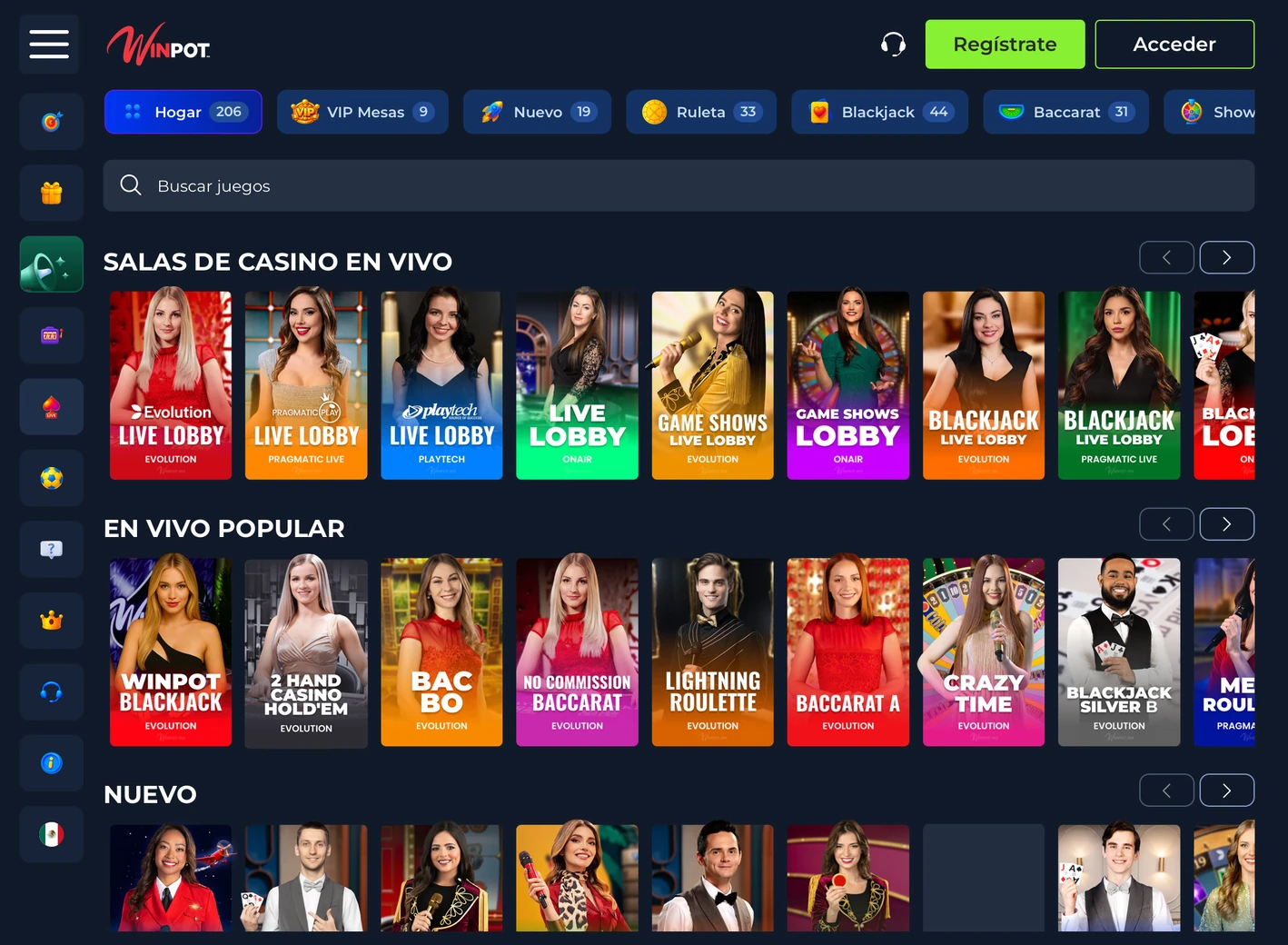
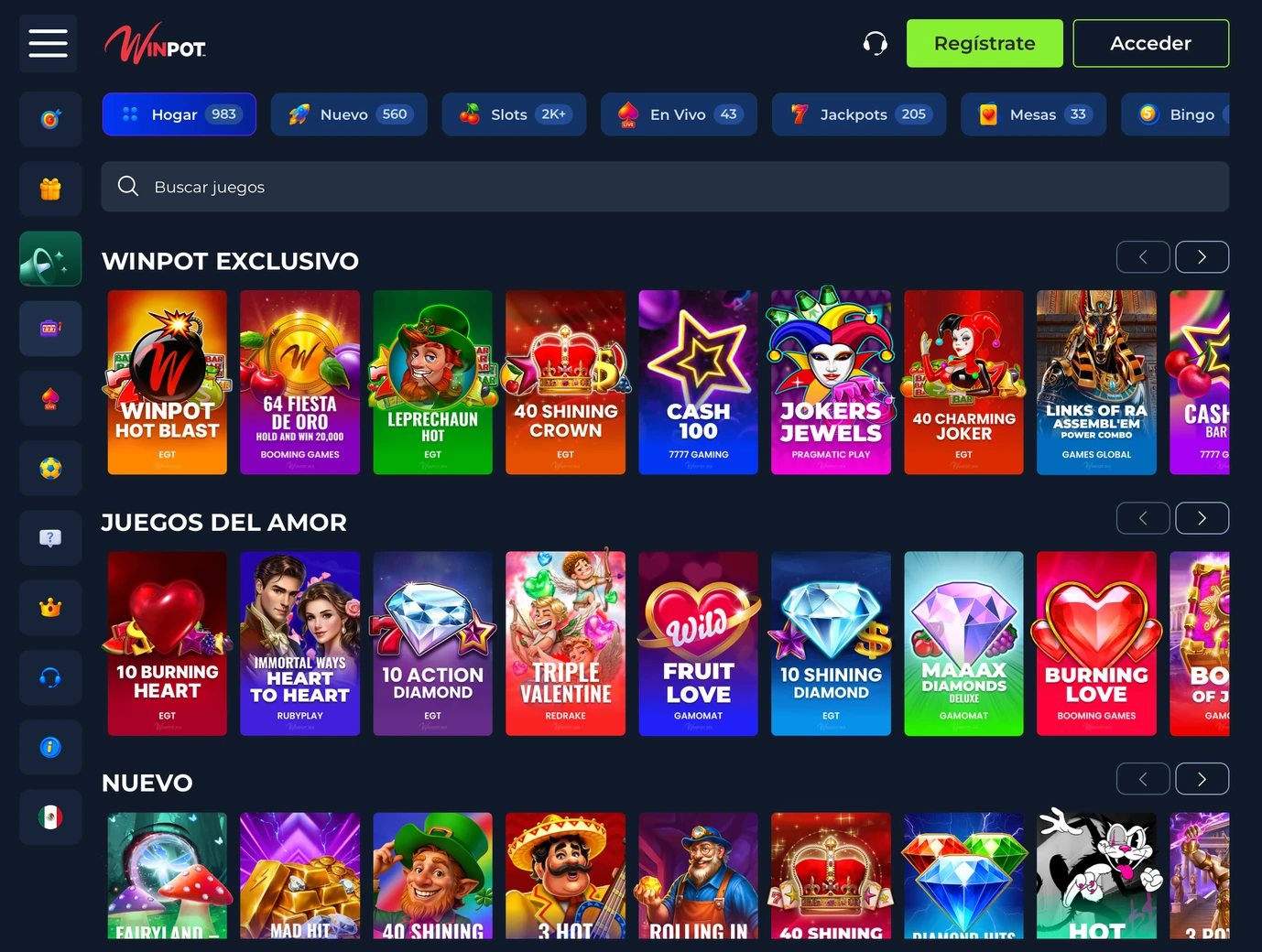
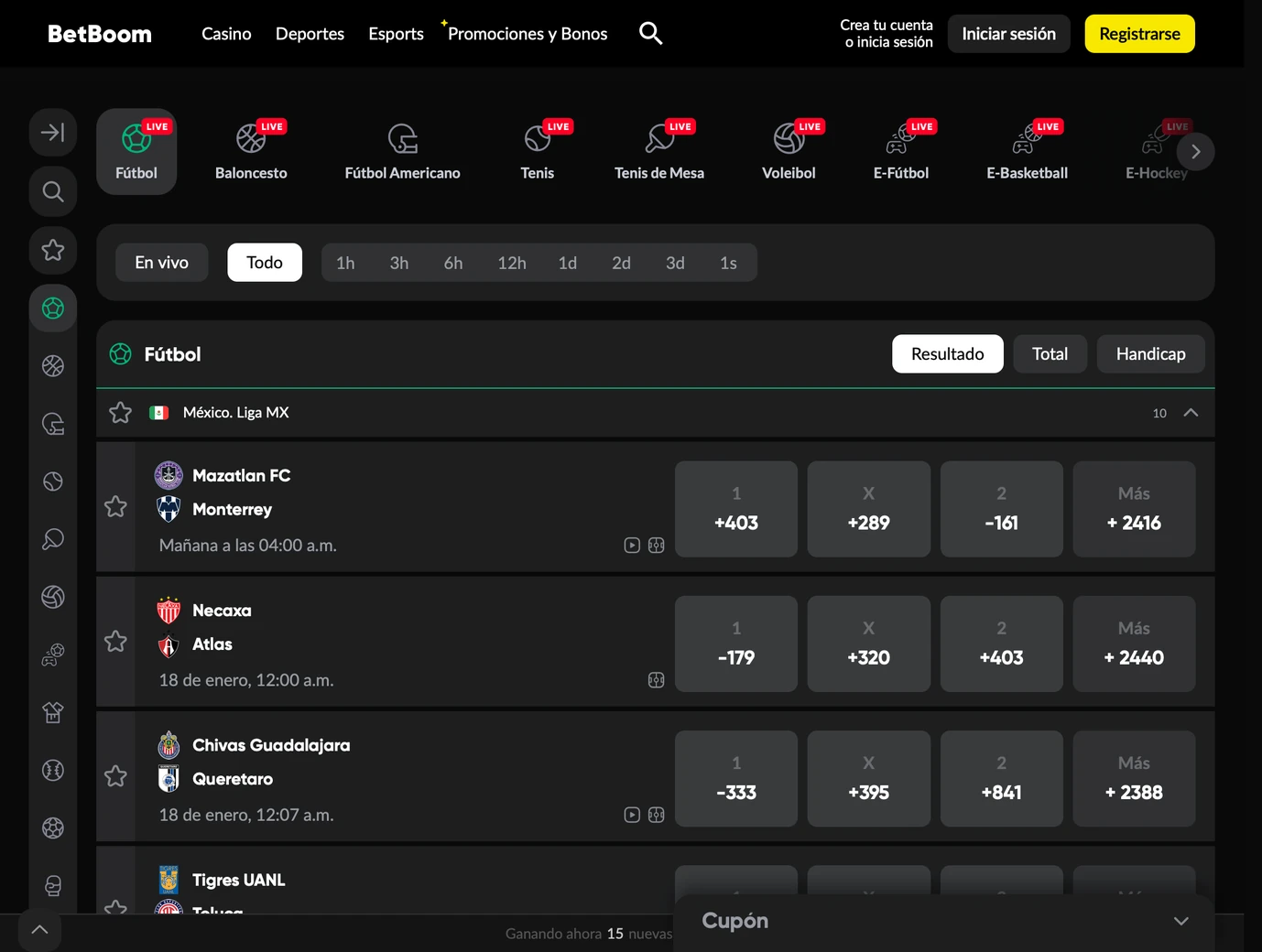
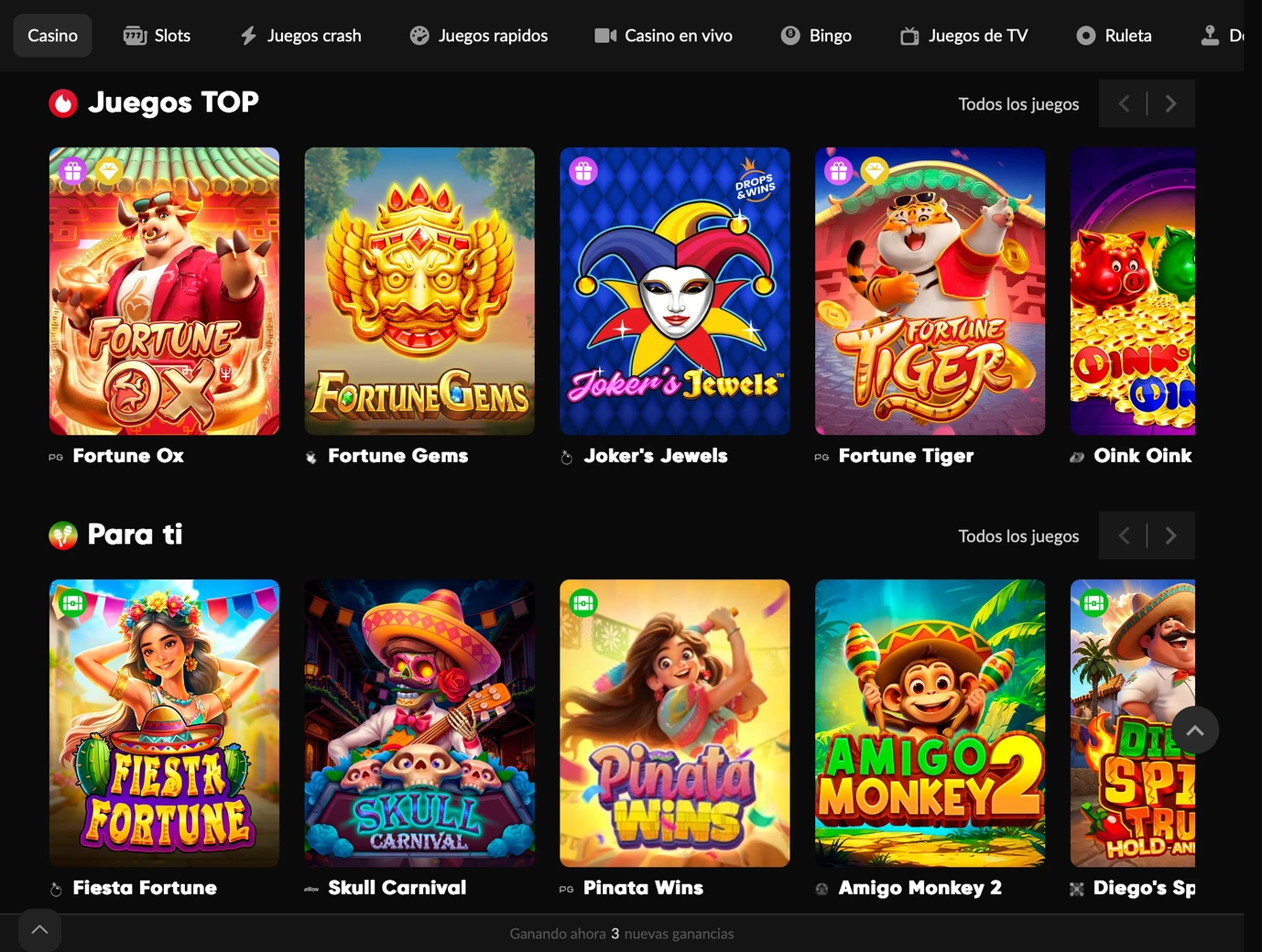
Top ranking of online casinos in Mexico, based on brand popularity, real traffic, and game variety. On this page you will also find how Mexico licenses remote betting, what protections exist for players, how to check a permit, and what to do if a casino won’t pay.


 5
5


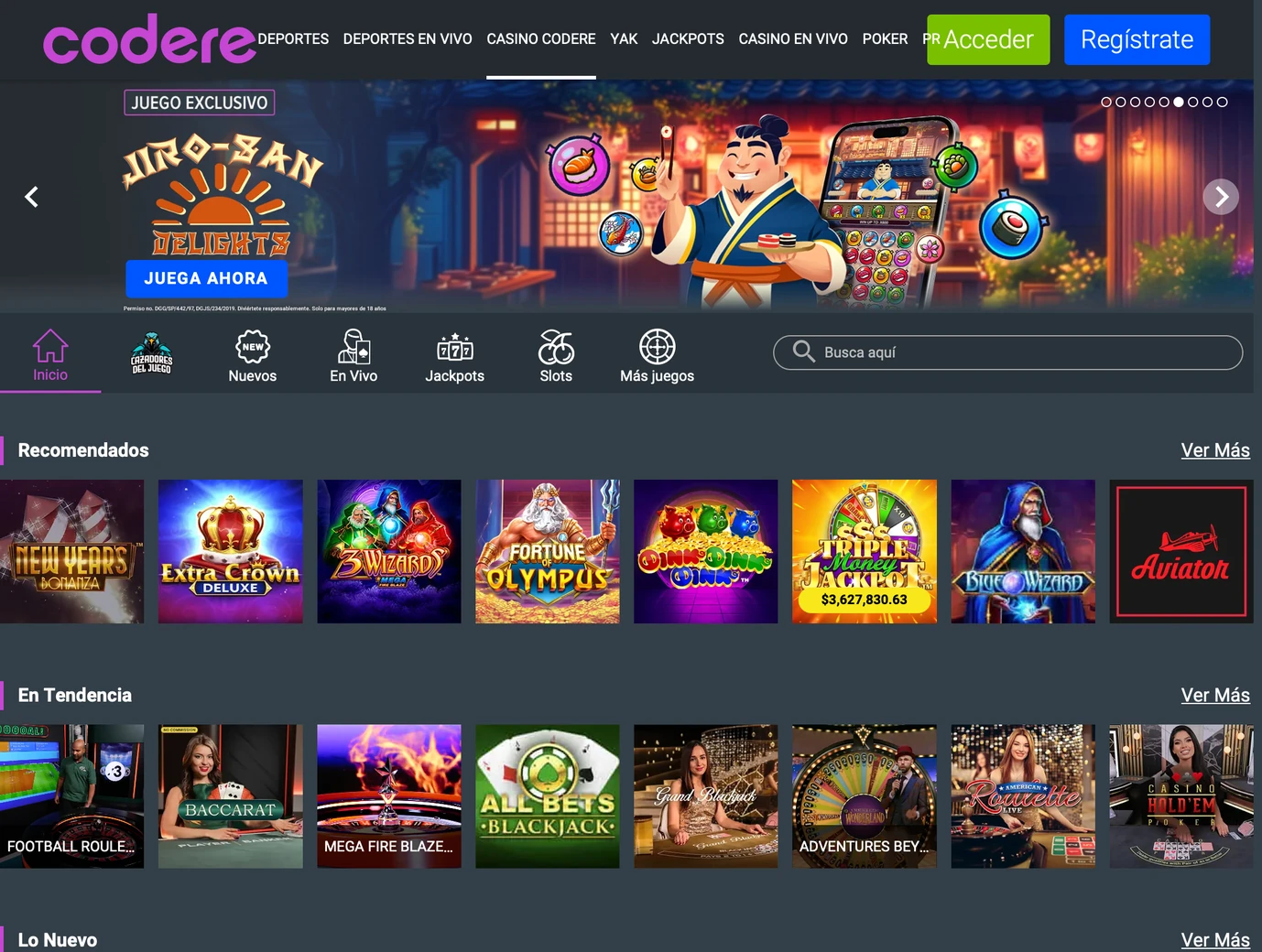




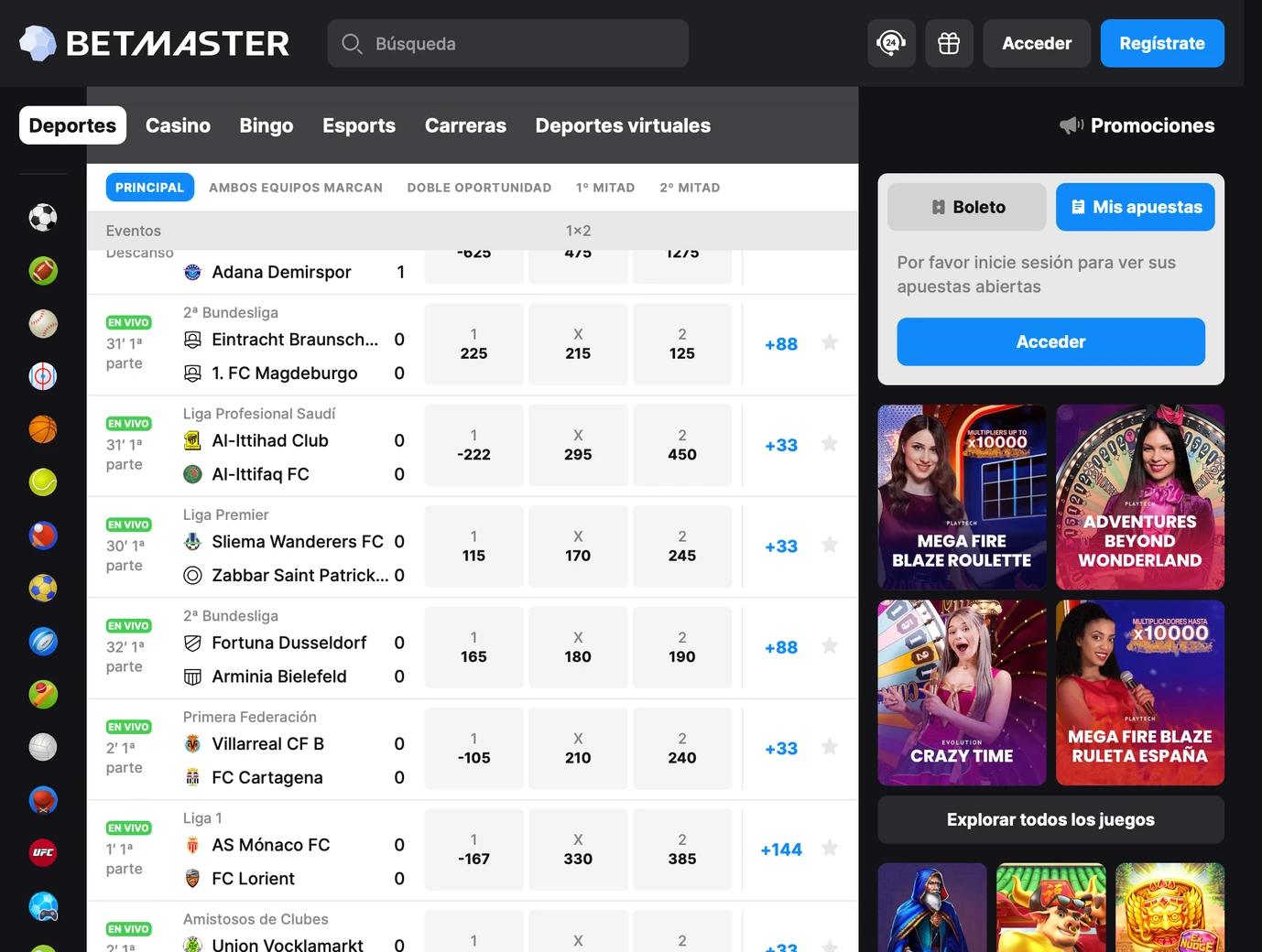

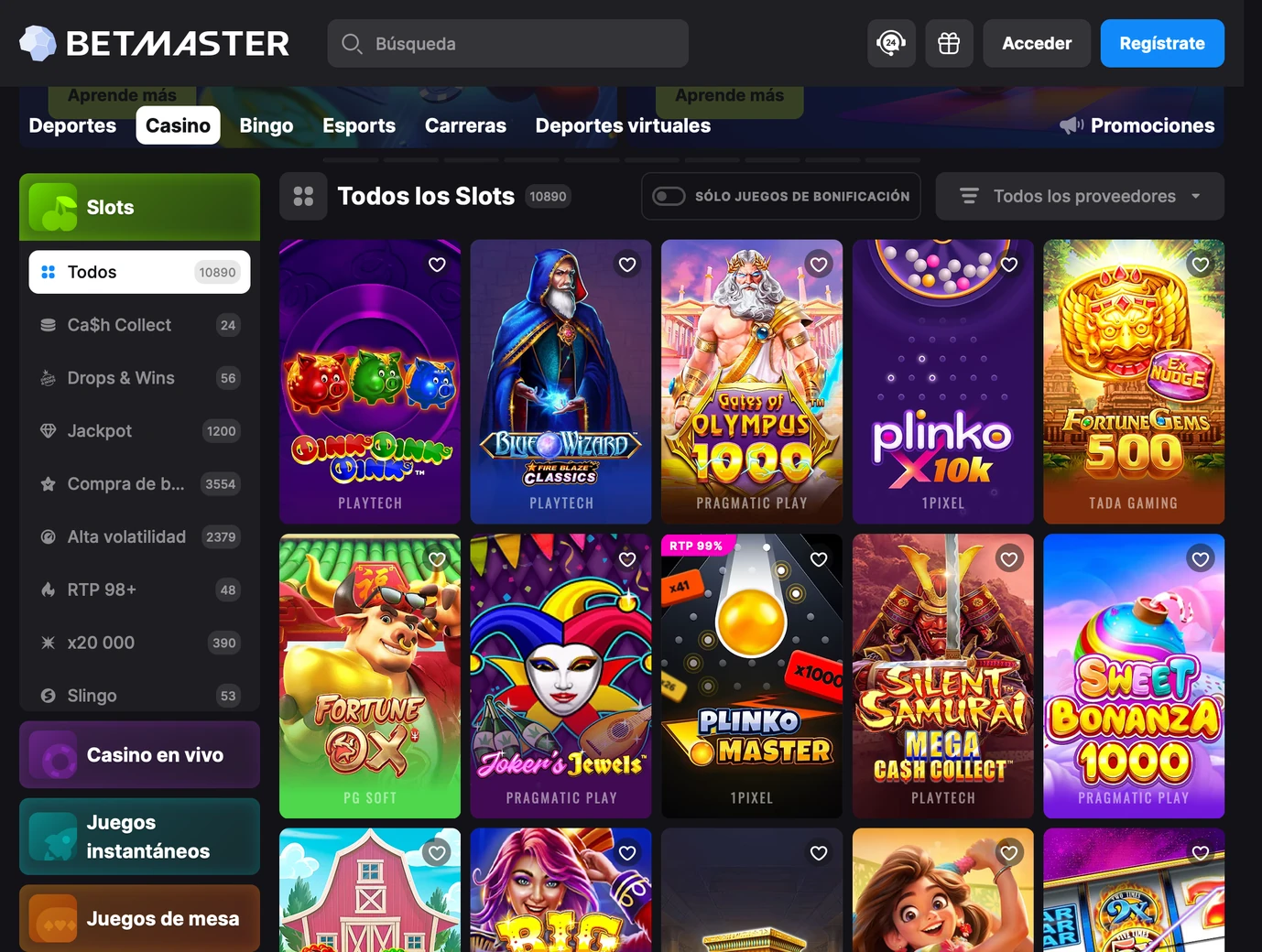
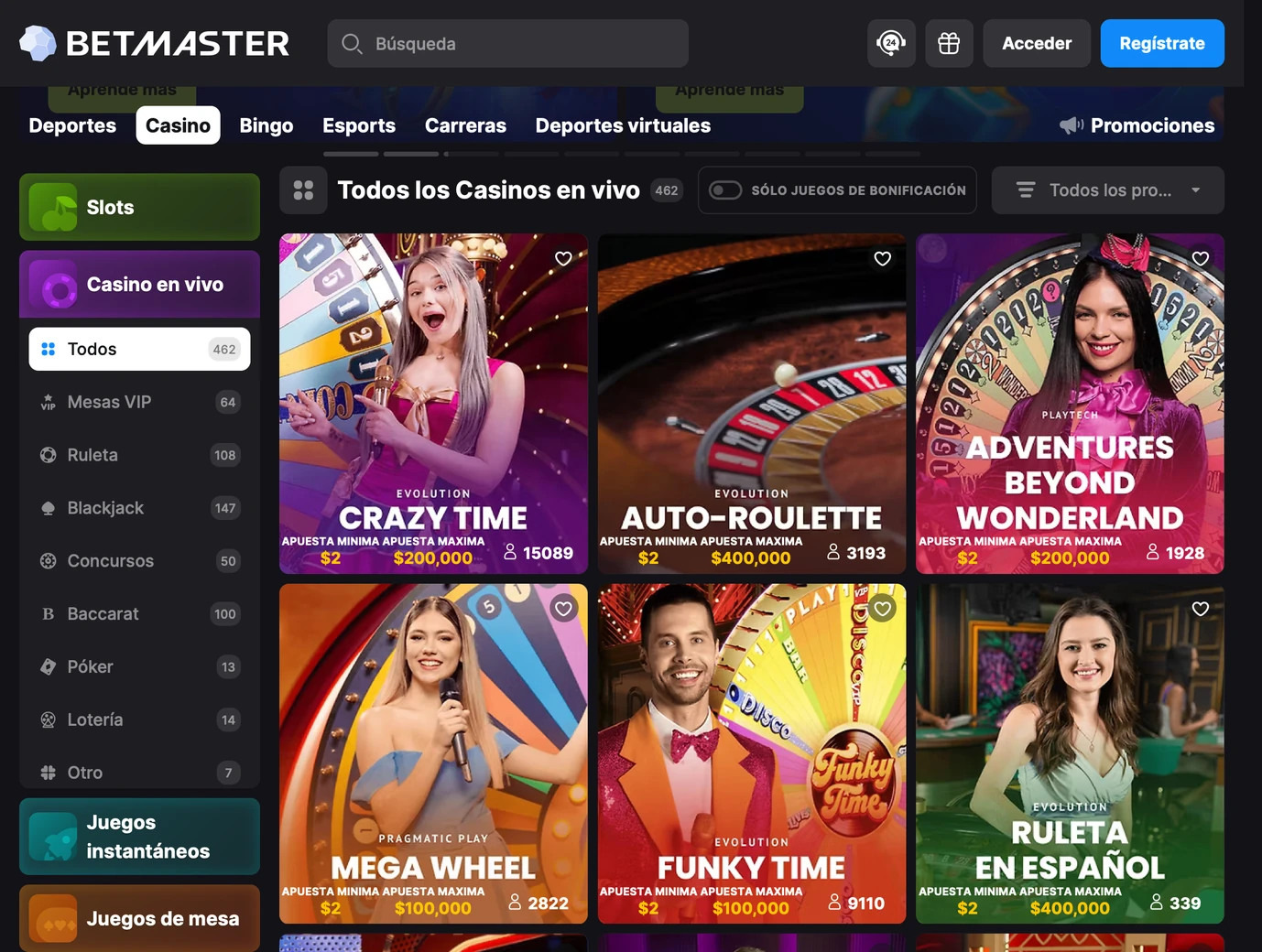






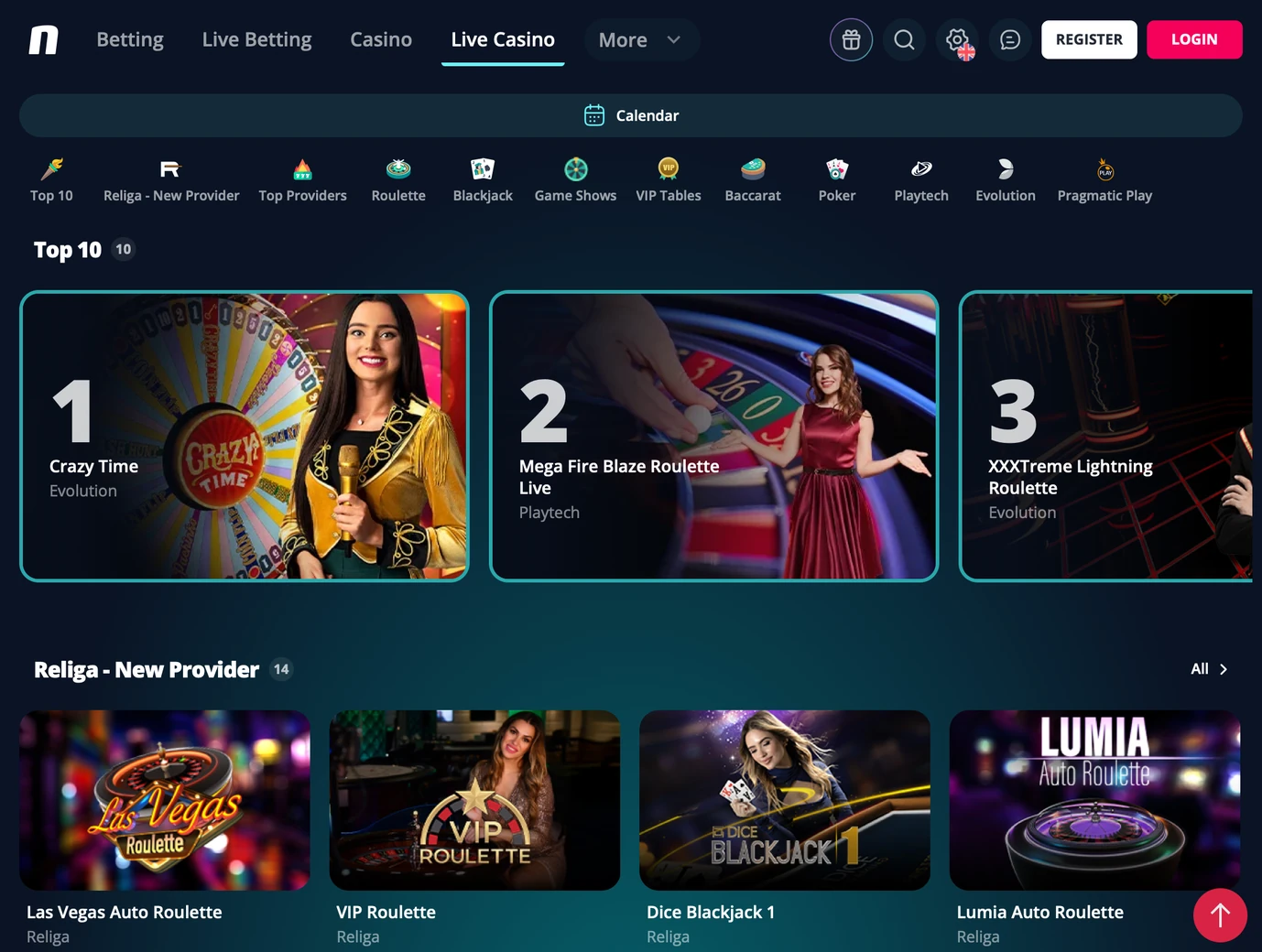
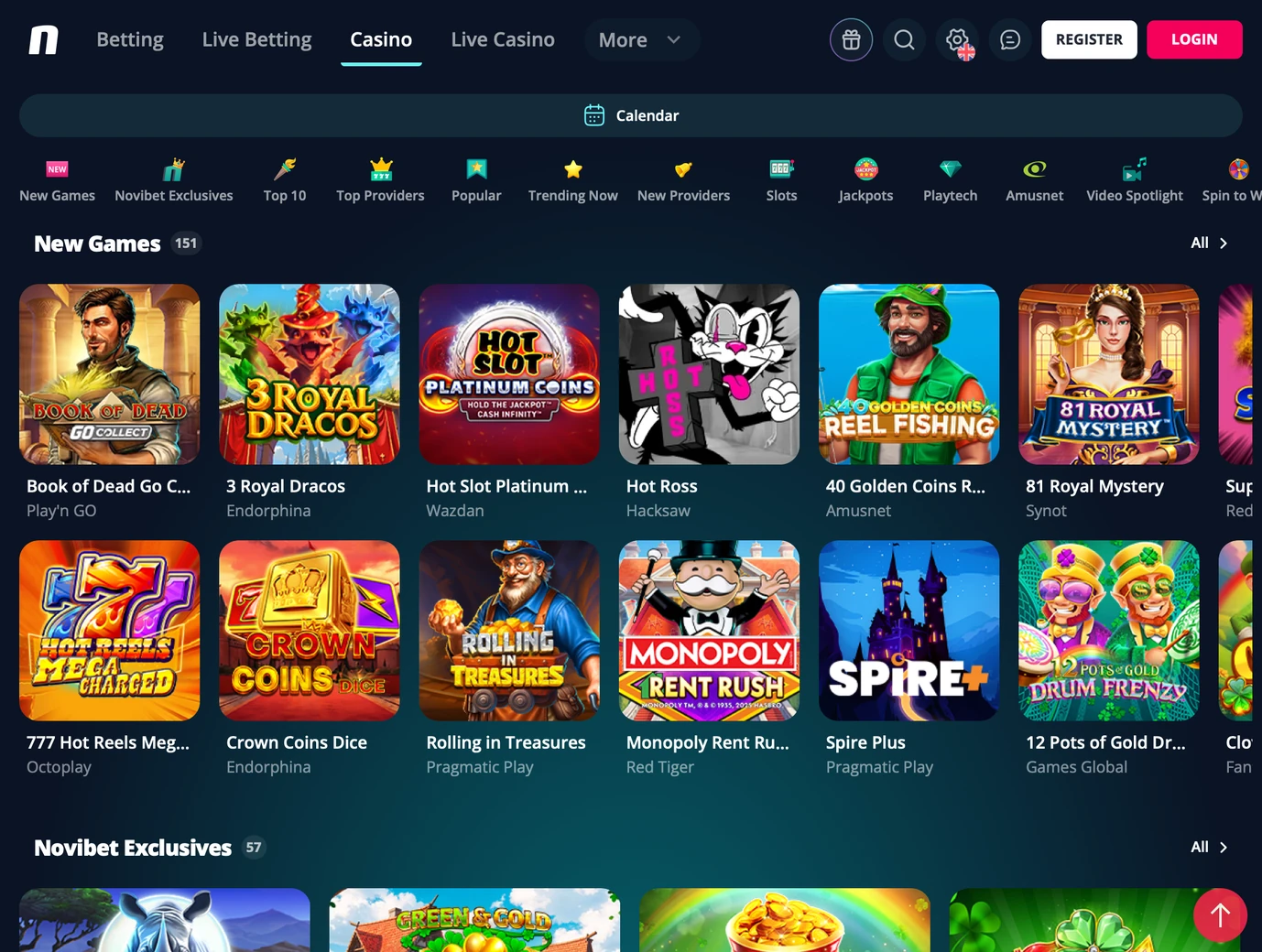
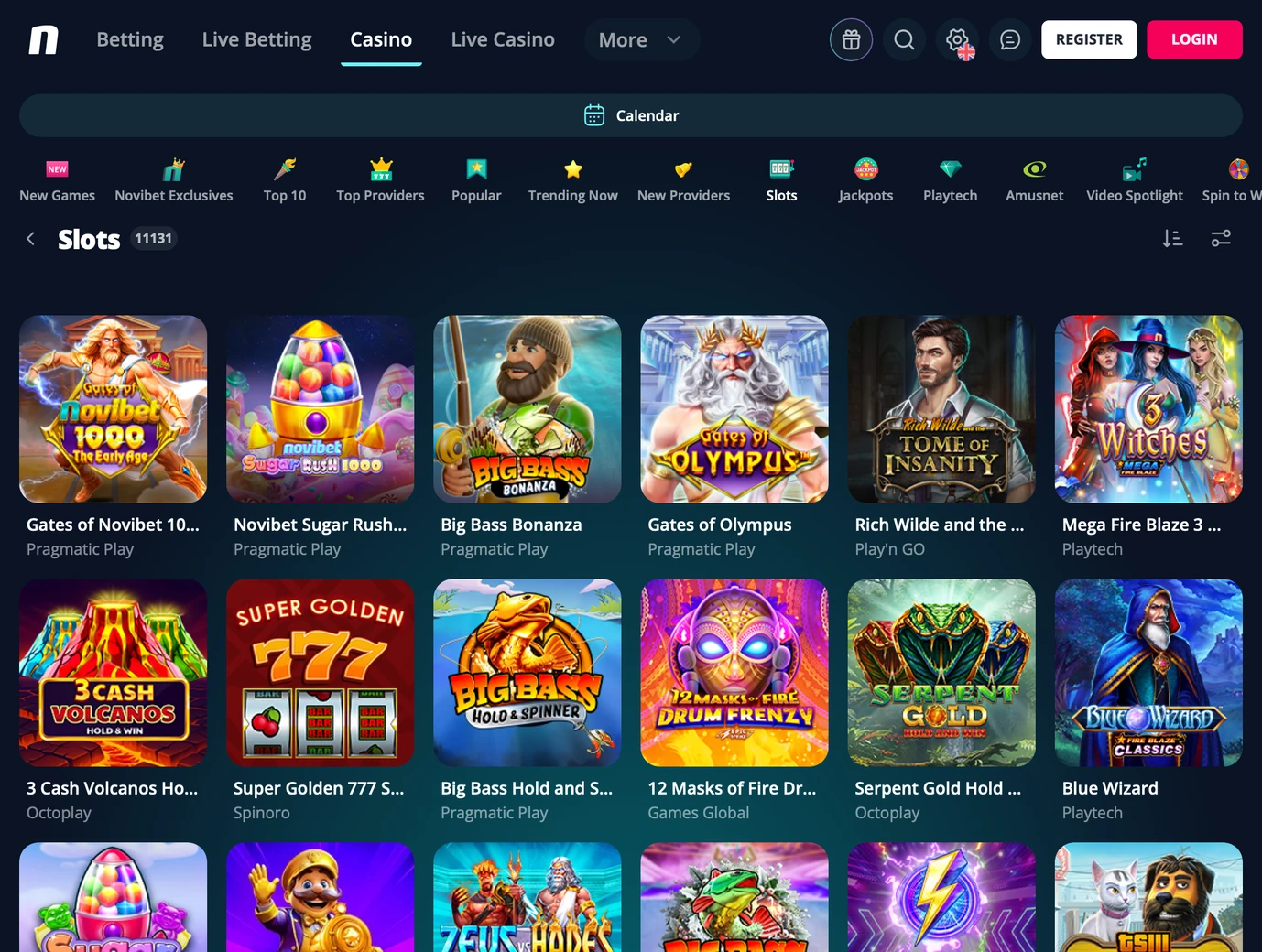


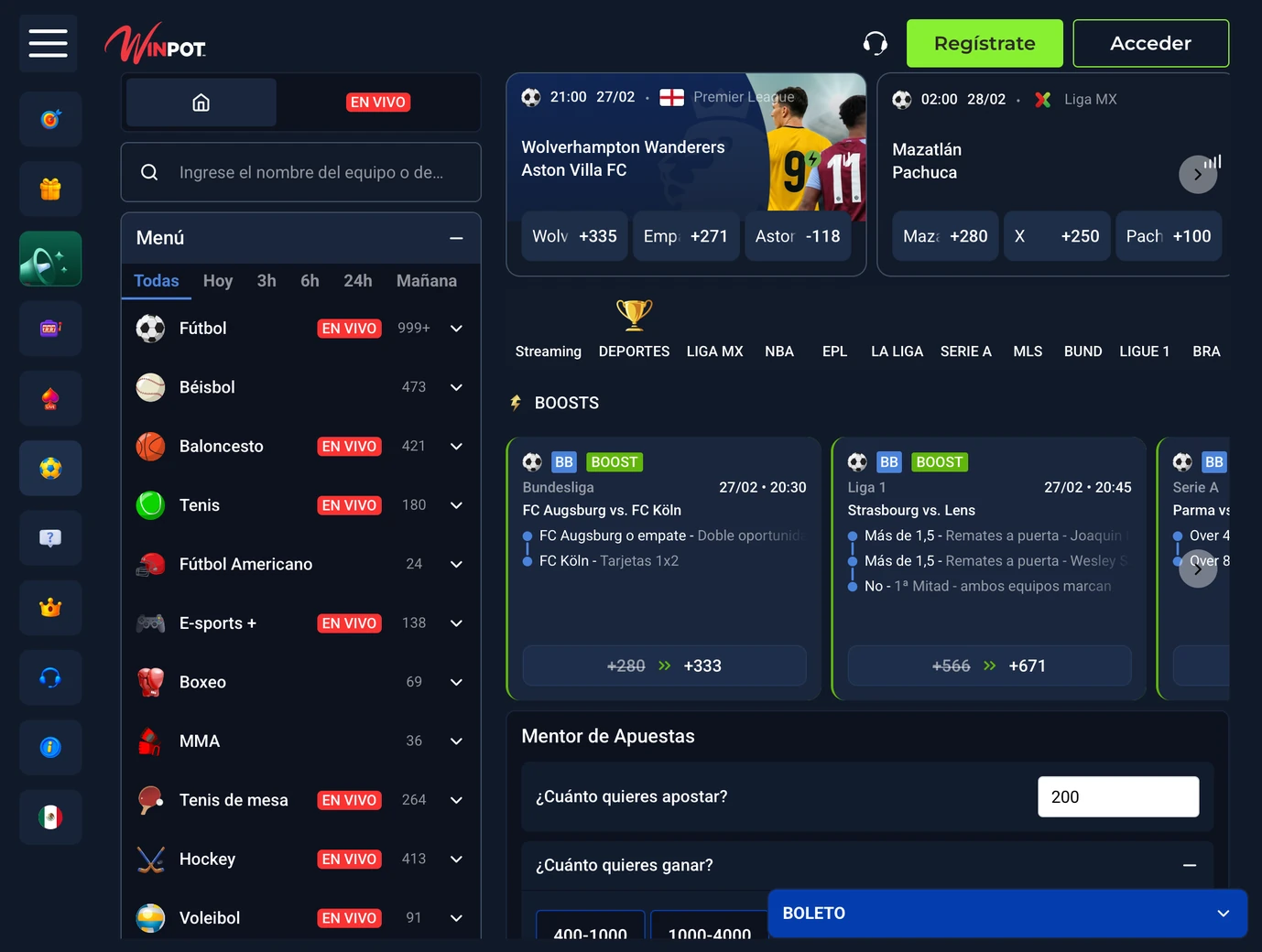























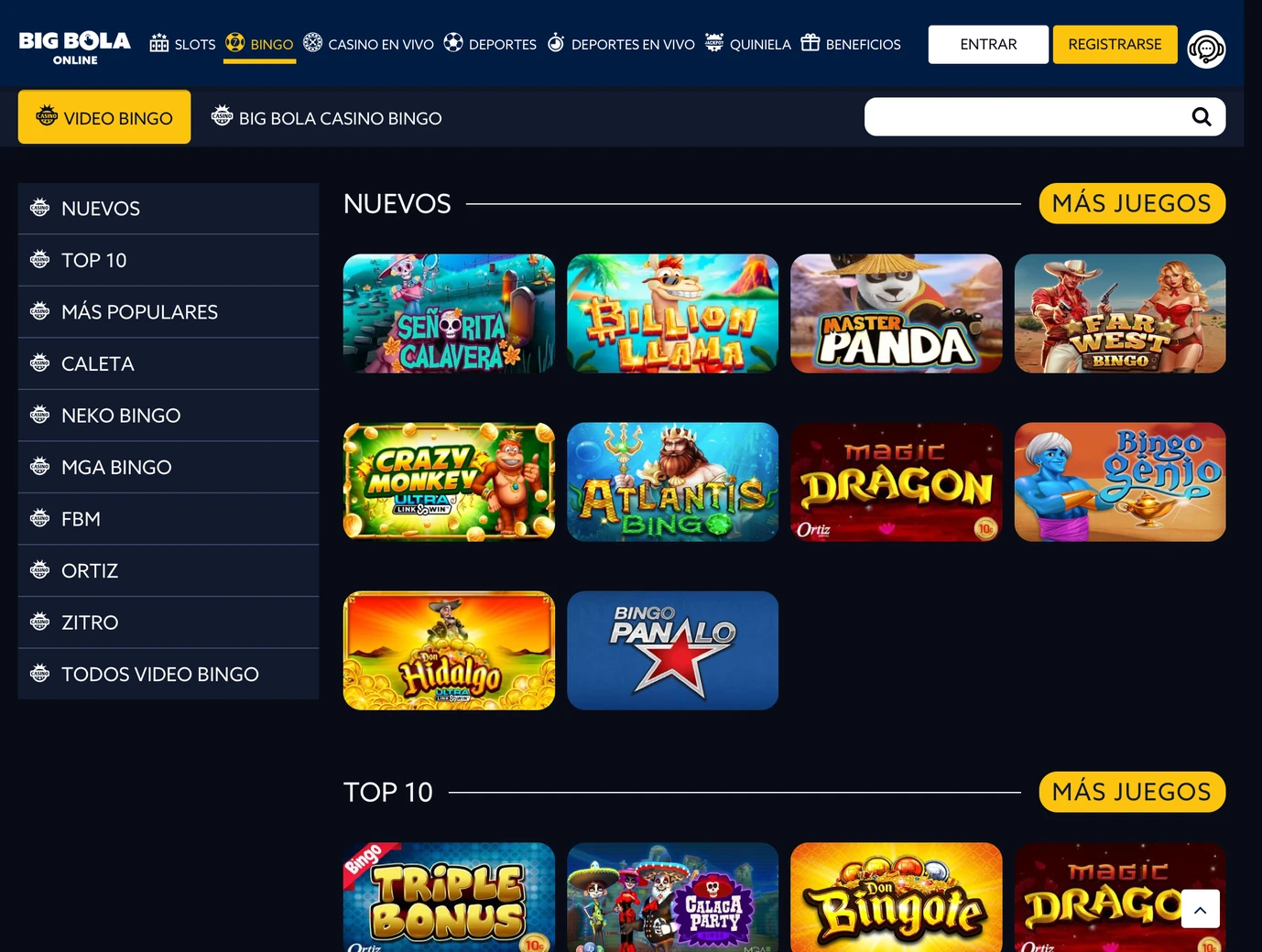



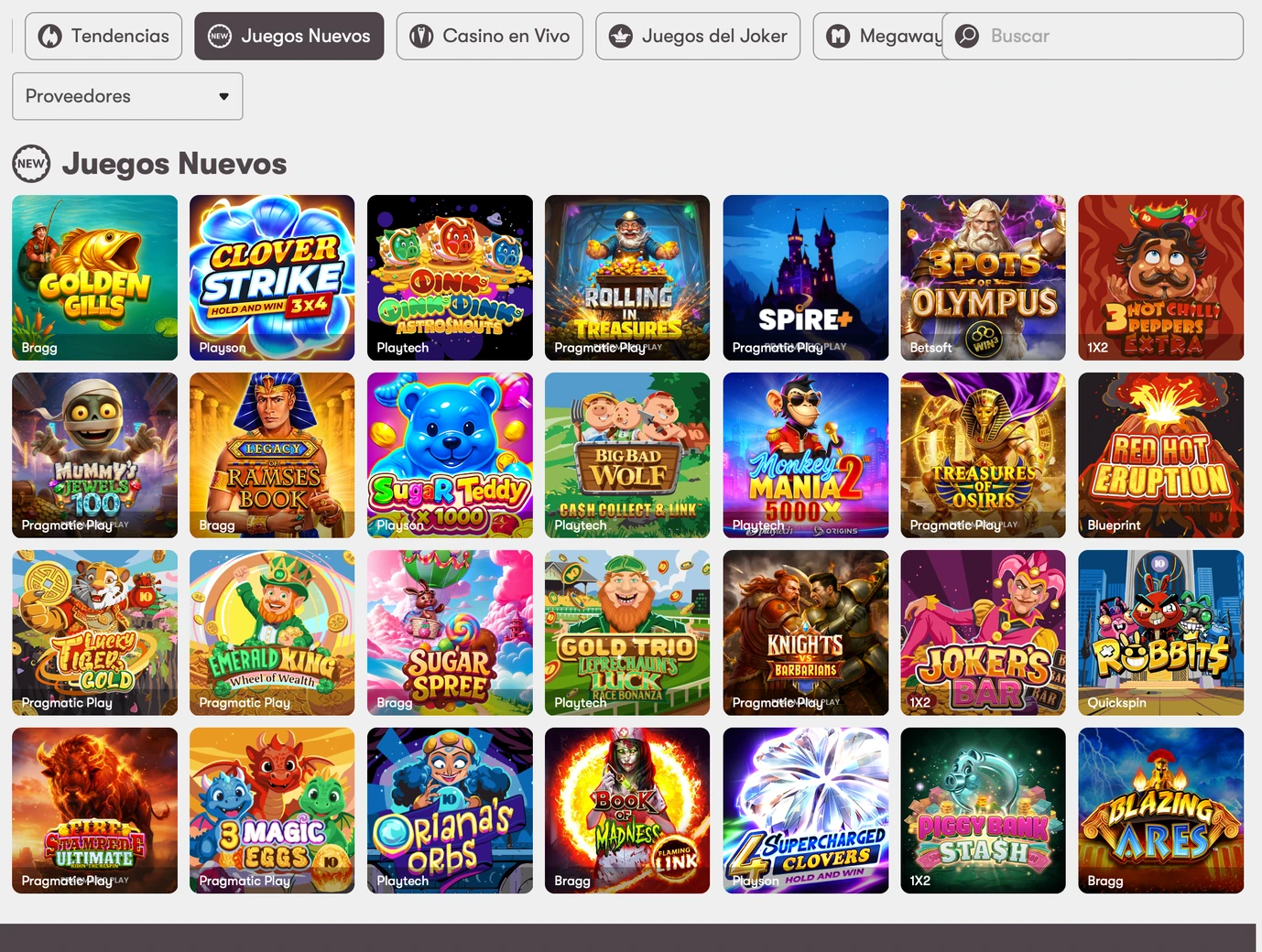



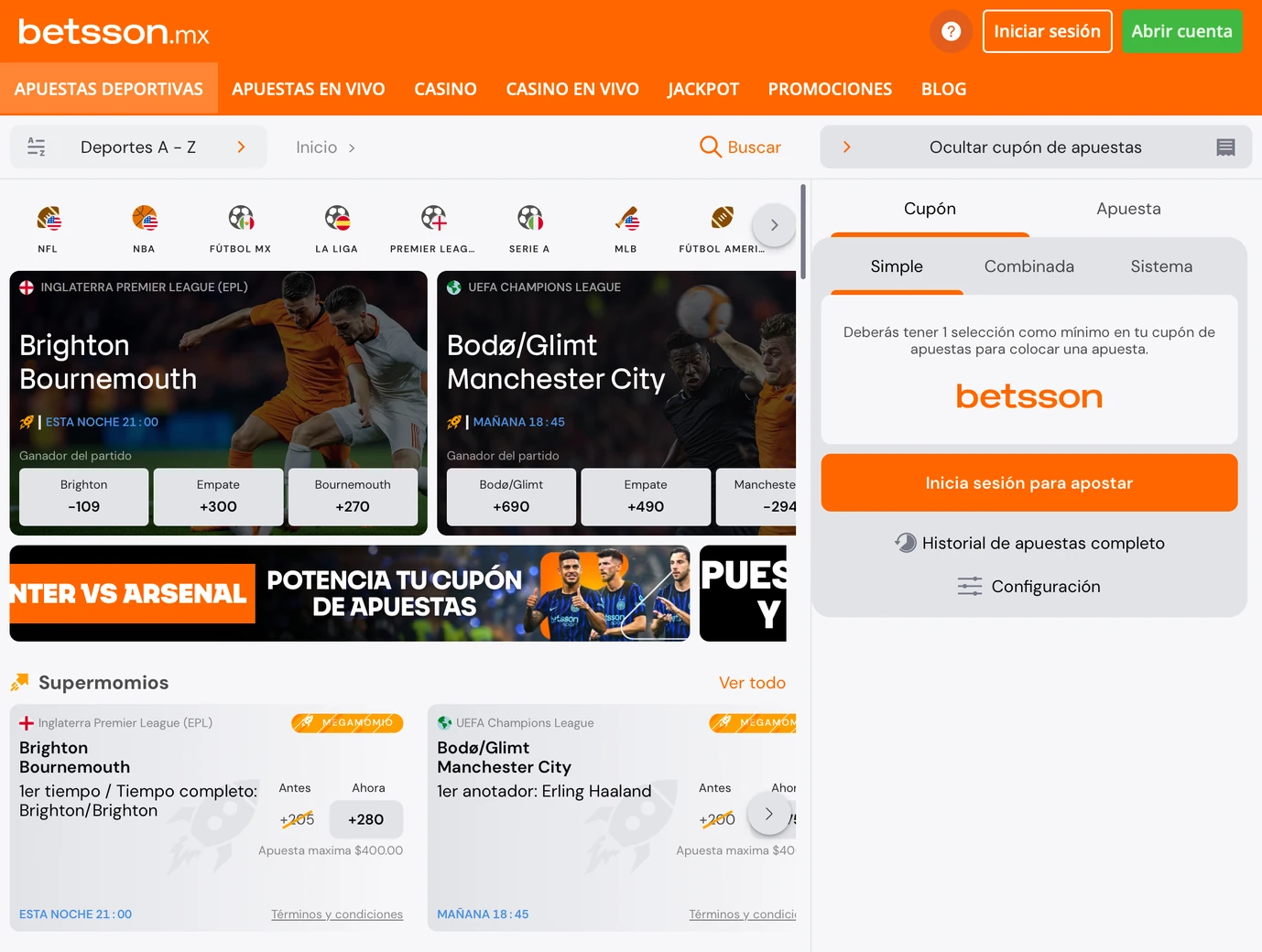
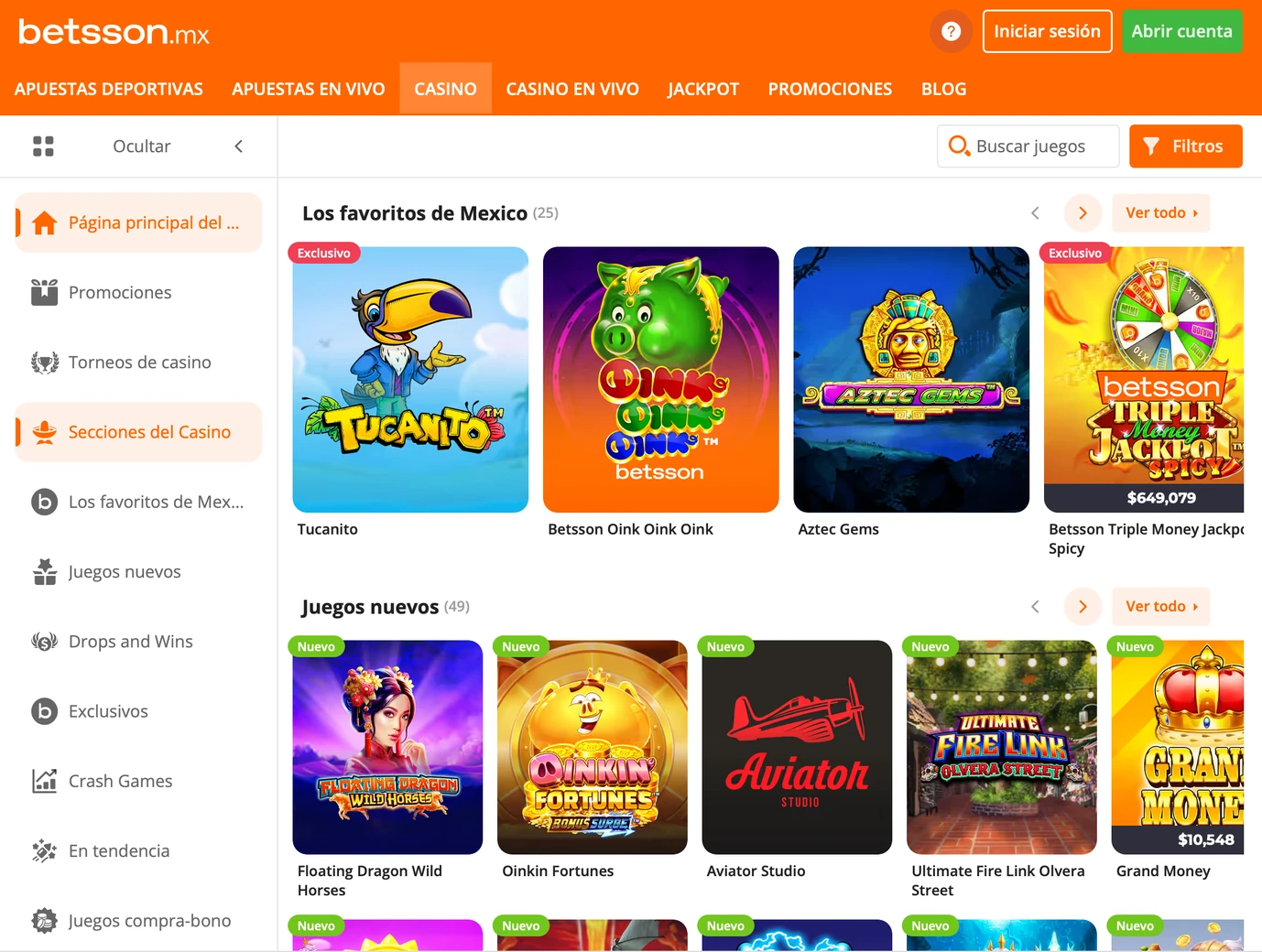
























-
 Each person talks as it goes, but personally I have had the worst of the experiences on this platform to the extent of… SportiumBet
 - No more Caliente casino!! Please stay away!! It's a robbery...slot machine are worse than vacuum cleaner they suck your money in… Caliente
- They have been verifying my account for more than a month and putting obstacles in my way, because I gave them to withdraw the… SportiumBet
- THEY DON'T DEPOSIT, THEY ACT LIKE ASSHOLES AND ASK FOR VERIFICATIONS OF CARDS THAT YOU DON'T HAVE. SportiumBet
- It is the worst platform it has taken 5 months to make me my first withdrawal, they always tell you that they are working on it,… SportiumBet
License for online casinos from Mexico
Mexico regulates gambling at the federal level. The Constitution empowers Congress to legislate on “games with bets and raffles,” bans monopolies, and folds gambling oversight into the country’s broader consumer and public‑order protections. The framework rests on the Federal Law on Games and Raffles of 1947 and its modern regulations. Today, the Secretaría de Gobernación (Ministry of the Interior, Segob), through its Dirección General de Juegos y Sorteos (DGJS), authorizes, supervises and, when needed, shuts down operations.
The model is restrictive by default: all gambling is prohibited unless expressly allowed. In practice, Segob licenses remote betting centers and halls for number and symbol drawings; these may take bets by internet, phone or other electronic means if their internal controls and procedures are pre‑approved. The regulator sets what can be offered and how, and maintains a database of permit holders, their owners down to ultimate beneficiaries, sanctions, and financial filings.
Operators must meet standards that are designed for the player’s side of the table. Bets taken online must be recorded in a central system with a timestamp, transaction number, stake and selection tied to a verified player account. Results must be traceable to official signals so the date, time and outcome of an event can be audited. Winning claims are time‑bounded and documented, records are kept, and inspectors can pause or stop events if rules are broken. Companies disclose ownership, file quarterly and audited annual financials, carry insurance and keep a standing surety (fianza) sized to cover outstanding prizes. Credit to players is forbidden, and all transactions must be in Mexico’s national currency. Minors are excluded, advertising needs authorization and must carry responsible‑play warnings, and betting on lower‑tier amateur domestic sports is off limits.
Fairness and integrity are enforced through paper trails and live oversight rather than abstract promises. Each stake corresponds to a single electronic record; in retail contexts there are serialized tickets, and for remote bets the confirmation exists in the central system and is accessible to the player. Official broadcasts or other verifiable feeds underpin settlement. Technical and information security are mandated, and DGJS has full access rights to logs and systems for control purposes. Transparency around ownership and finance, together with the prohibition on pooled arrangements abroad, limits conflicts of interest and reduces avenues for manipulation. The legal order also invokes anti‑money‑laundering and counter‑terrorism norms through Mexico’s constitutional commitment to international treaties, and the regime of financial disclosures and peso‑only operations works in that direction.
Protection is as much about teeth as about rules. DGJS can fine, suspend, revoke permits and close premises. Illegal gambling—running unauthorized games, selling tickets to foreign draws without permission, or even attending an illegal venue—carries criminal penalties, confiscation of equipment and the dissolution of the operating entity. Administrative law requires that acts be reasoned, notified and appealable, while giving inspectors power to act on the spot. In disputes about unpaid prizes or noncompliance, the authority can open administrative proceedings and impose sanctions; its role is an enforcer and supervisor, not a private arbitrator, and outcomes range from corrective orders to permit loss.
On payments, the rules are unambiguous: wagers and payouts are in Mexican pesos, and operators cannot extend credit. The framework does not provide for cryptocurrency deposits or withdrawals; licensed operators are expected to transact in national currency only.
Limits and taxes
The texts at hand do not set universal per‑player caps on deposits or stakes. What is clear are operator‑side financial obligations. Permit holders must report monthly and quarterly and maintain a prize‑coverage surety that reflects outstanding liabilities. Mexico’s federal income law earmarks revenue from “games with bets and raffles,” which includes a special tax category and non‑tax “aprovechamientos” linked to the gambling framework. Current DGJS tariff schedules detail participation payments on betting handle: for remote books, 1% on national and foreign sports bets; 2% on certain race and draw activities; and specific rules for number drawings and simulcast scenarios. These are obligations of the operator to the Federation; they are not a deduction taken from an individual player’s winning ticket. For winning claims tied to events, there is a 60‑working‑day window to present and validate the claim in the system, after which unclaimed prizes are treated under the applicable rules.
How to check whether a casino holds a Mexican license
Start by looking in the footer and legal pages of the site for the name of the Mexican permit holder (permisionario), the permit number, and a reference to DGJS/Segob. Remote betting in Mexico is run under permits for centros de apuestas remotas and for salas de sorteos de números y símbolos; licensed operators commonly state that status on their websites along with contact details for prize claims.
Then verify against official sources. DGJS maintains a database of permits and publishes information on its official portal. You can consult the site of the regulator at https://www.juegosysorteos.gob.mx, and review published updates such as permit modifications. Match the details you find to what the website discloses; inconsistencies are a red flag.
How to file a complaint about a Mexican‑licensed online operator
Always start with the operator. Use the casino’s customer support and its internal complaints route to document the problem and request a resolution. Keep copies of confirmations, screenshots of your account history, the bet IDs or folio numbers, dates and times, and any emails.
If that fails, escalate to the regulator. DGJS accepts complaints and can open administrative proceedings, request information from the operator, and impose sanctions for noncompliance, including in matters of unpaid prizes. You can reach the authority through its portal at https://www.juegosysorteos.gob.mx and its orientation section at https://www.juegosysorteos.gob.mx/es/Juegos_y_Sorteos/Orientacion. The DGJS office address, as published on its site materials, is Versalles 49, Piso 2, Col. Juárez, Alcaldía Cuauhtémoc, Ciudad de México, C.P. 06600.
After you file, expect an non instant administrative process. DGJS may seek explanations from the operator, inspect records, and, if breaches are confirmed, fine, suspend or move to revoke a permit and order corrective measures. Its mandate is to enforce the law; it can drive compliance and sanction wrongdoing, but it does not promise to arbitrate individual payouts the way some foreign gambling authorities do. If you later need to challenge a definitive administrative act, Mexico’s Federal Administrative Justice system allows electronic litigation, with measures to stay enforcement under the court’s rules.


